Medium: Oil on canvas
Dimensions: 65.5 x 55 cm
Signature: Unsigned; studio stamped
Period of execution: c. 1900-1946
Price: ¥ 20,900
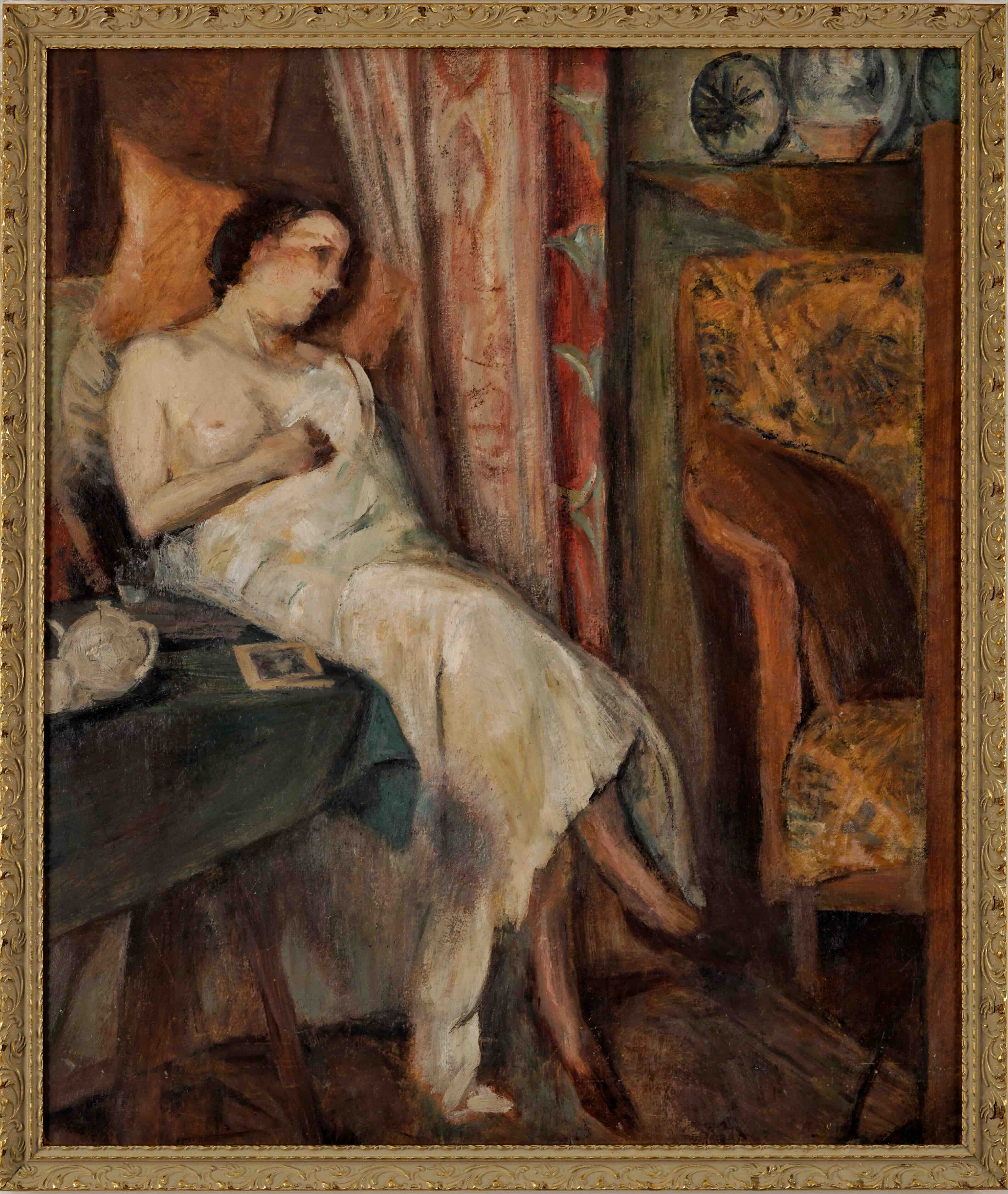
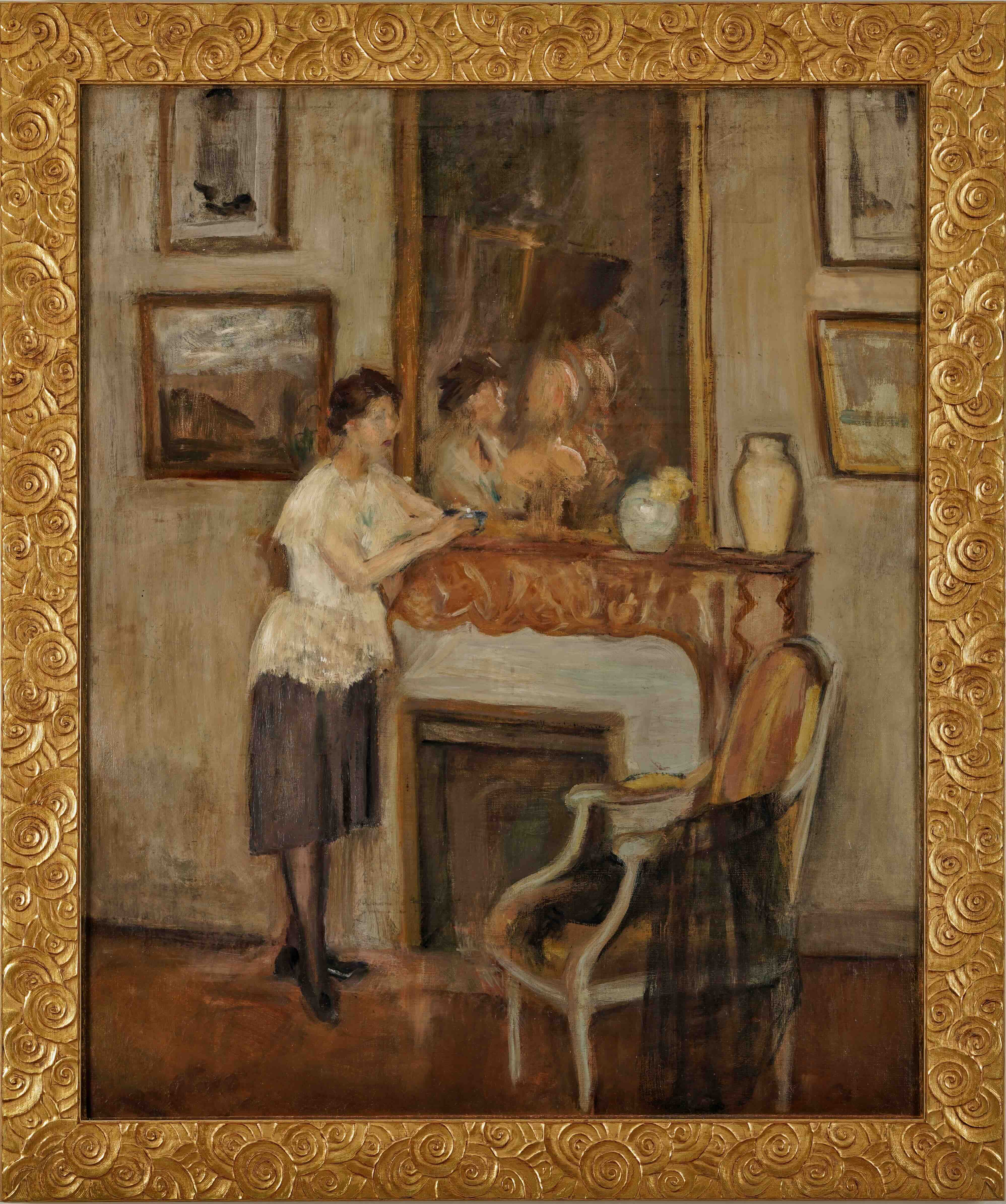
This intimate interior depicts a woman absorbed in thought, leaning against a fireplace beneath a large mirror. The quiet mood and warm handling of colour recall Pierre Bonnard’s The Children’s Meal (1895, Metropolitan Museum of Art) (Fig. 1). Like Bonnard, Hertz-Eyrolles uses yellow and rose tones to give the domestic setting a sense of warmth and closeness. Her palette, however, is noticeably cooler and more luminous in places. Pale mint blues appear across the background wall and are repeated in the fireplace and the woman’s clothing. Rather than interrupting the warmer tones, these cooler colours balance them, giving the interior a soft, gently shimmering quality. The comparison with Bonnard is especially useful in the way both artists treat the home as more than a simple setting. Yet Hertz-Eyrolles gives the scene a quieter and more reflective character. The woman’s withdrawn pose, softened outlines, and close relationship with the surrounding colours make the room feel slightly dreamlike, as though the familiar interior has been filtered through memory or reverie. Through this combination of warm and cool colour, softened form, and restrained gesture, Hertz-Eyrolles turns an ordinary domestic moment into a scene of quiet introspection, while preserving the intimacy that characterises much of her work.
(Fig. 1) Pierre Bonnard, The Children's Meal, 1895, oil on canvas, © The Metropolitan Museum of Art, New York
Cécile Hertz-Eyrolles was born on November 7, 1875, into an intellectually inclined family. She demonstrated an early passion for the arts and received professional training at the prestigious Académie Carrière. During this era, women faced significant barriers to education, particularly in professional art training. The academic study of nude figures, considered essential to artistic development, was deemed inappropriate for female students. However, Hertz-Eyrolles was fortunate to receive personal instruction from the academy's founder, the Symbolist master Eugène Carrière. This institution proved pivotal in art history, nurturing future luminaries including Henri Matisse and André Derain, who would later establish the groundwork for Fauvism and influence Picasso's early development.
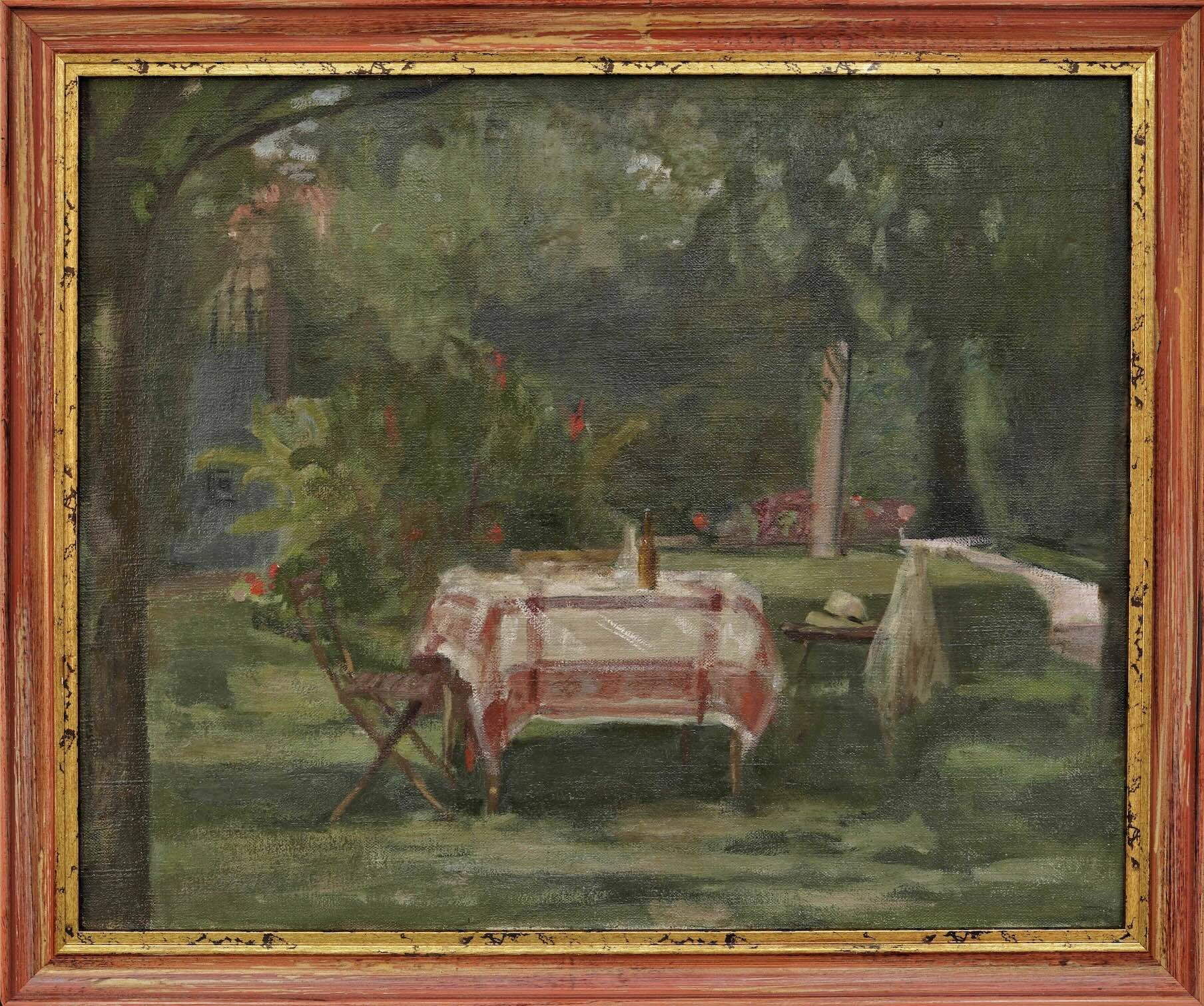
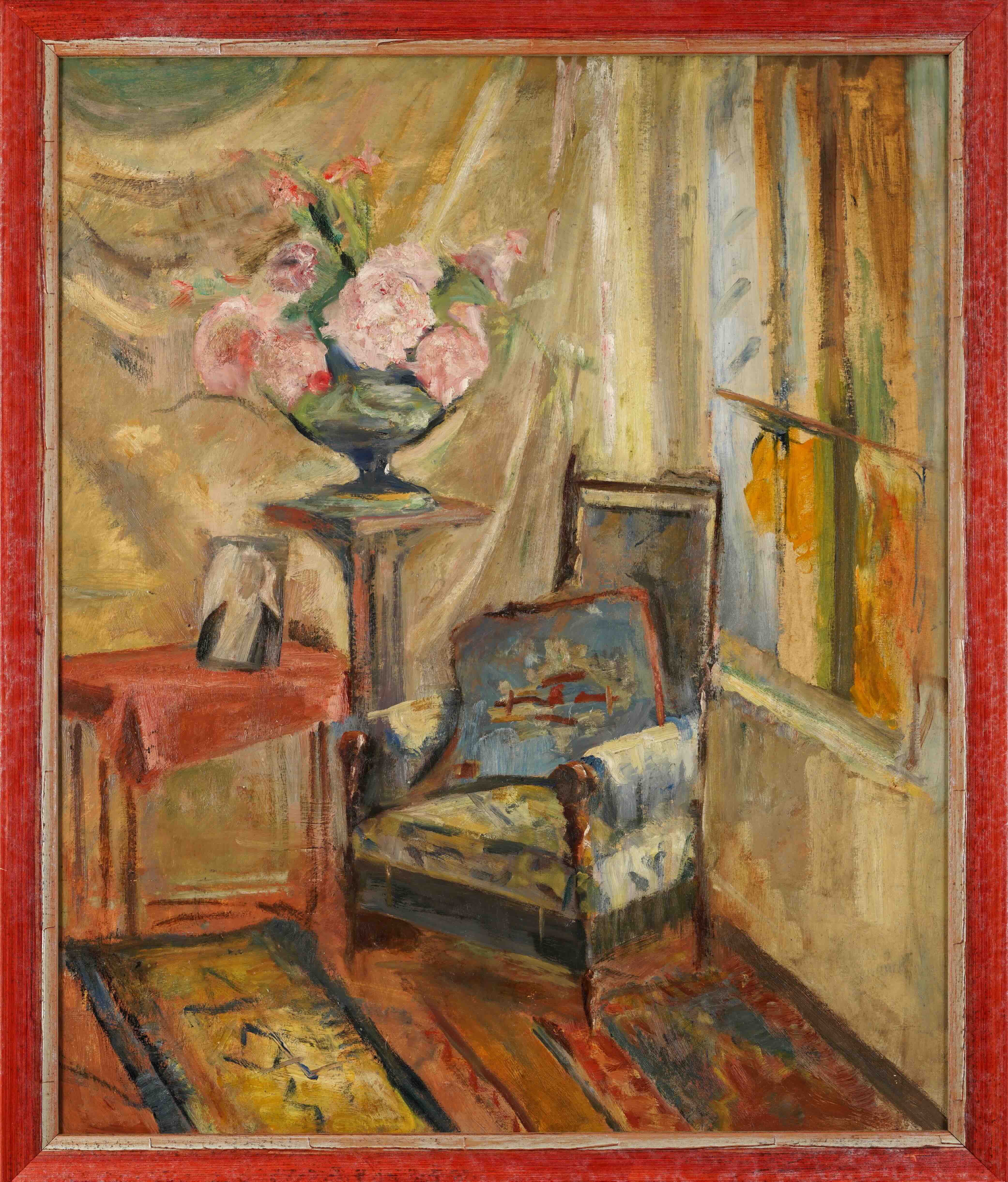
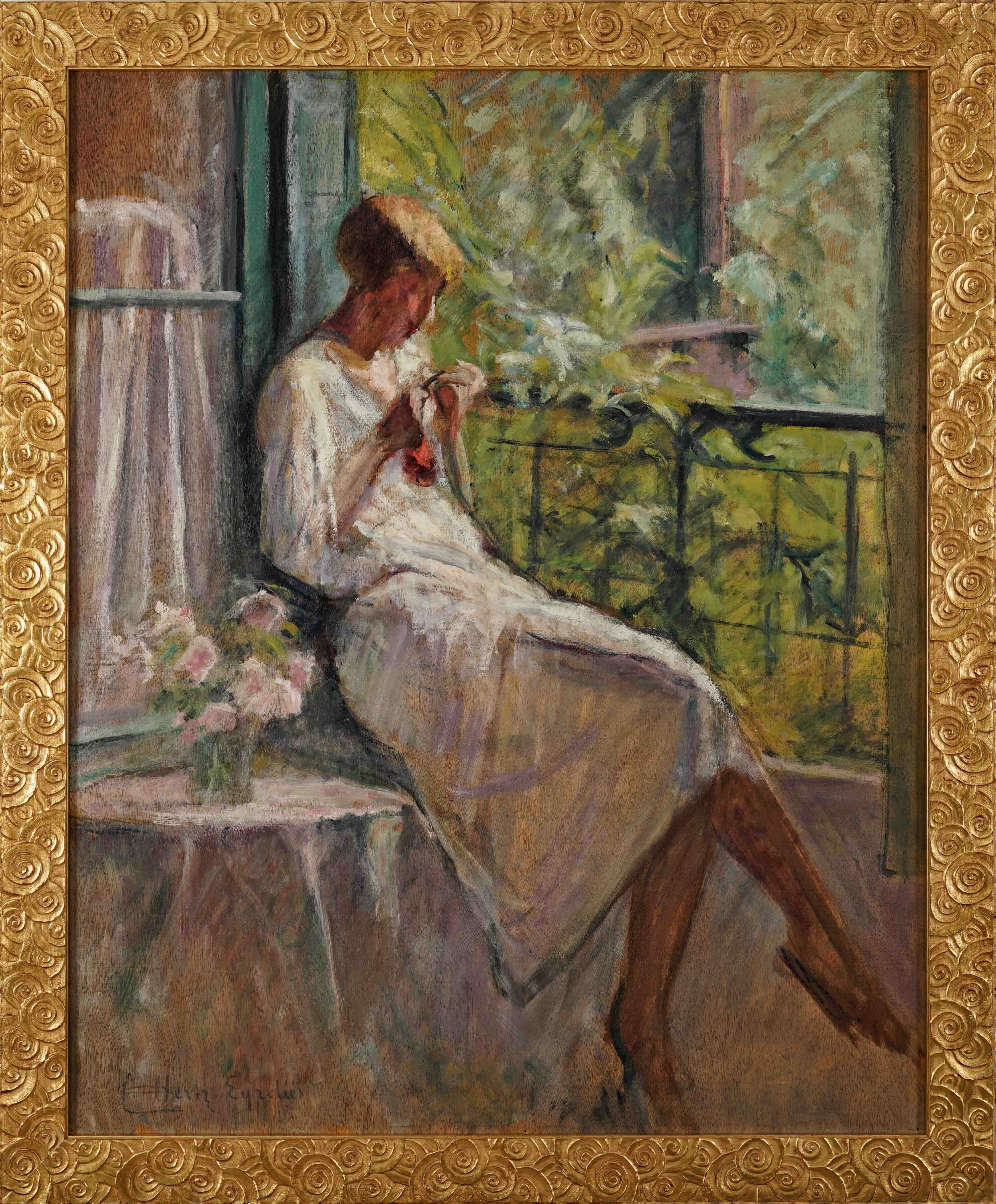
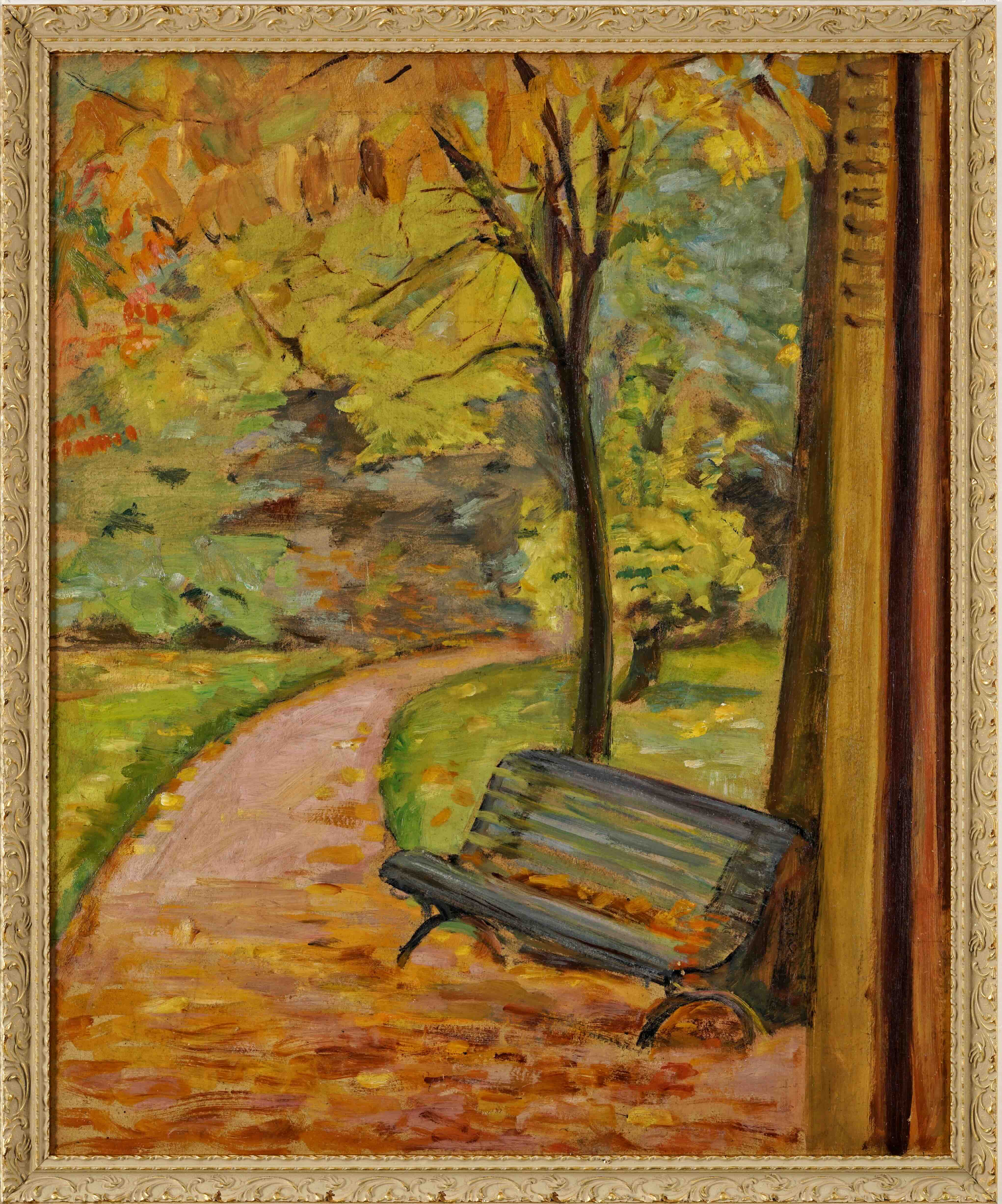
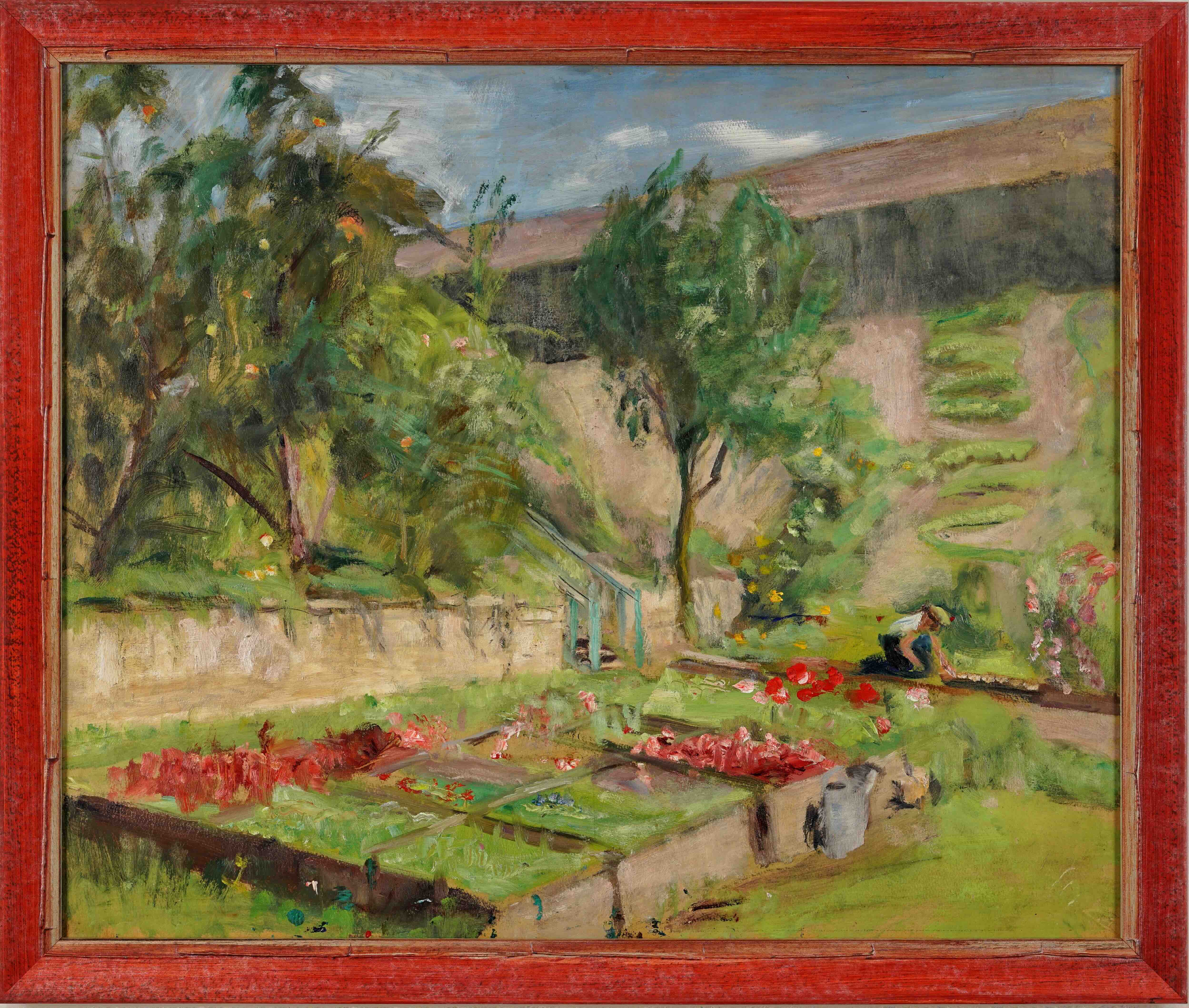
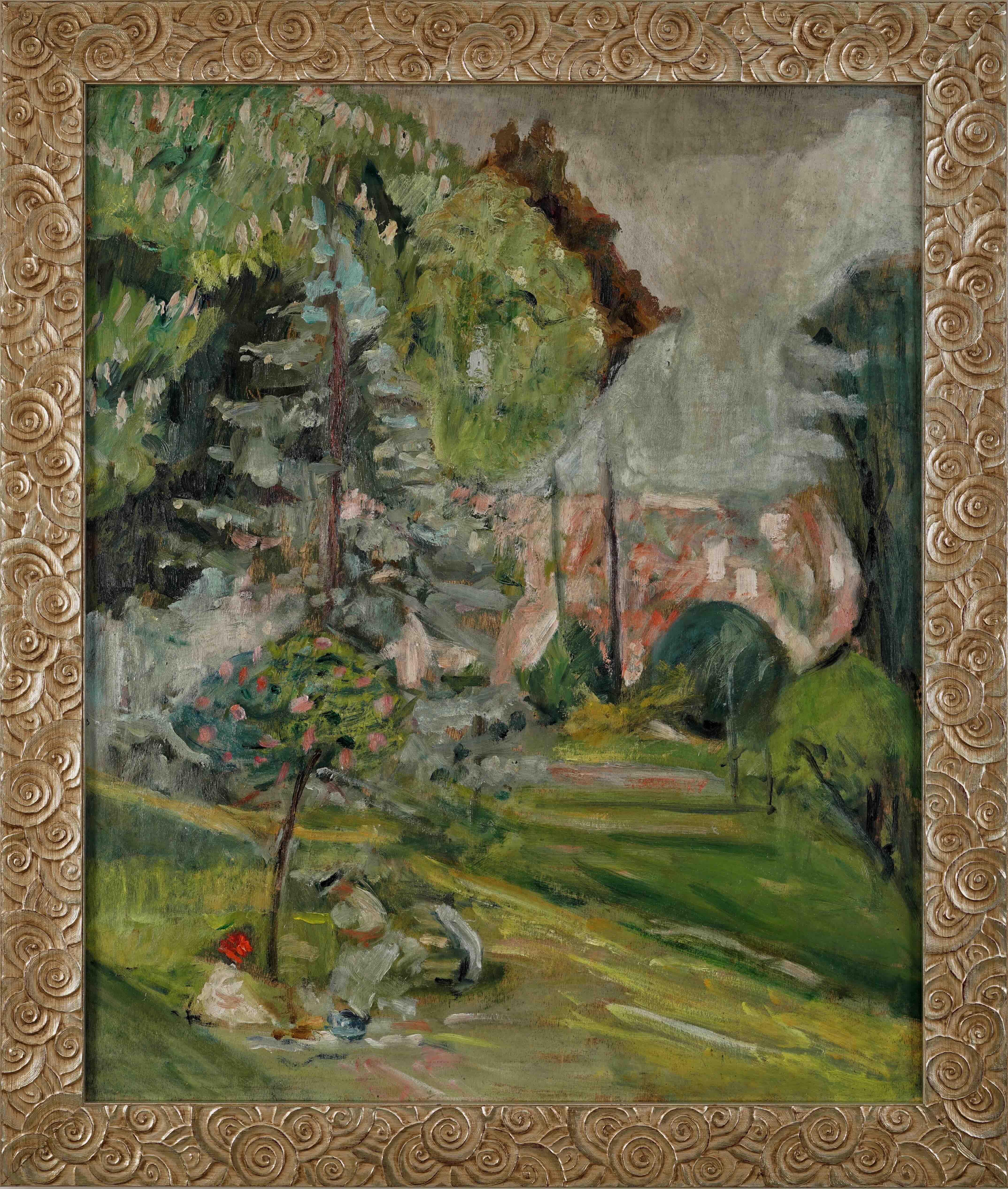
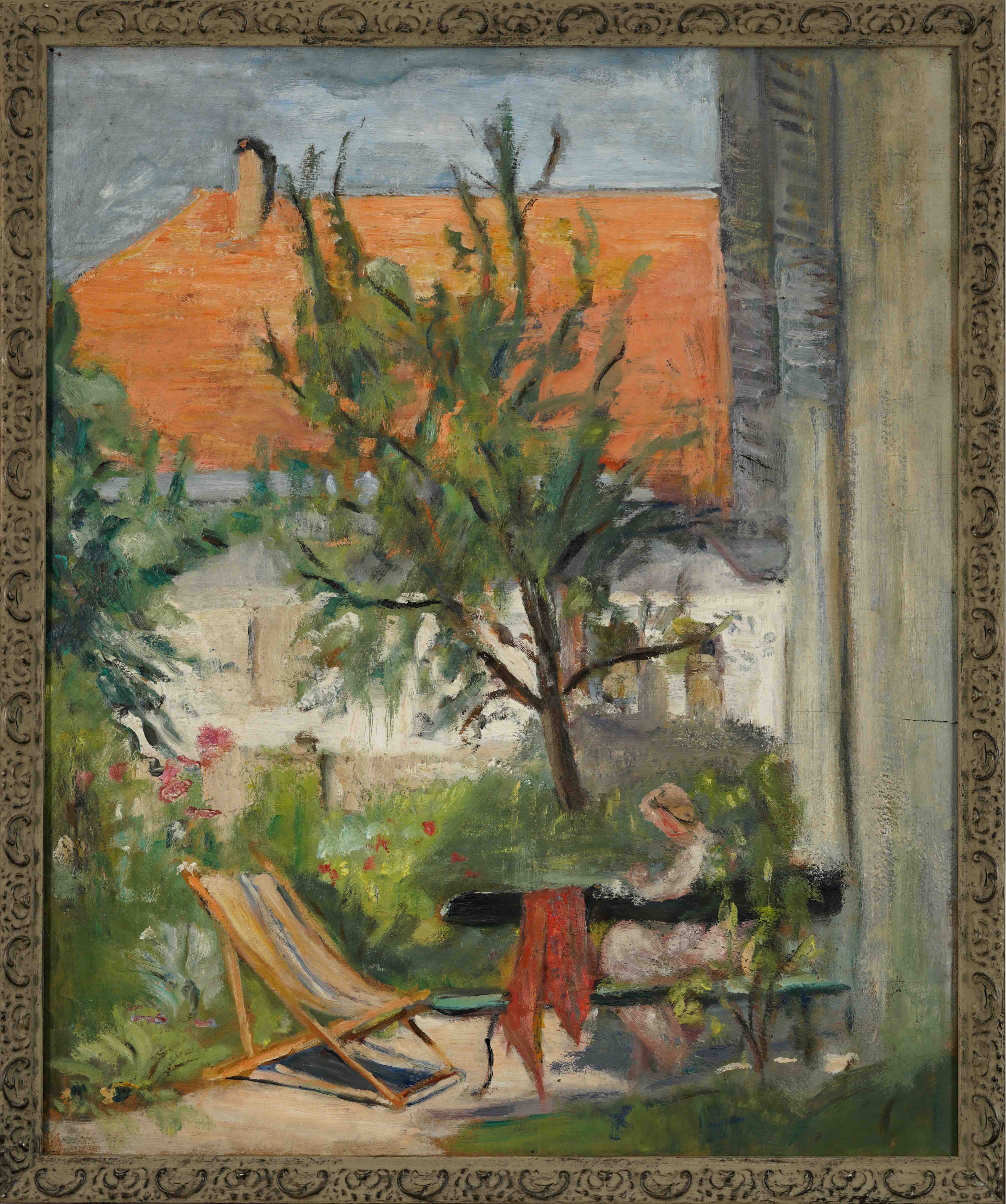
As a female artist, Hertz-Eyrolles's emergence in the 1900s Parisian art scene represents a significant milestone in both modern art and feminist art history. As Linda Nochlin observed in her influential essay "Why Have There Been No Great Women Artists?", women artists have historically been denied resources, support, and access to proper art education and training, as well as the recognition accorded to their male contemporaries. Hertz-Eyrolles's body of work, therefore, holds value not only for its artistic merit but also for its historical significance. Hertz-Eyrolles gravitated toward intimate subjects: everyday scenes, still lifes, and family gatherings. Her paintings typically depicted familiar domestic spaces—dining rooms, living rooms, and gardens—traditional genre scenes often neglected by her Impressionist contemporaries. When such themes were explored through the painterly approaches of Renoir, Édouard Vuillard, and Émile Bernard, they frequently emphasised light qualities and sentimental intimacy that emerged from a masculine perspective, where family scenes became associated with supposedly feminine temperaments of serenity, gentleness, and nostalgia. However, Hertz-Eyrolles transcended these conventional interpretations by capturing the atmospheric complexities inherent in domestic life—both the soft tranquillity of household moments and the underlying tensions that accompany domestic responsibilities. In her work, the interplay of light and restrained colour palettes serves to intensify the emotional ambivalence and physical immediacy of her subjects, creating compositions that prioritise authentic gesture and psychological depth over the purely visual harmony that post-impressionists typically championed.
This nuanced approach to human psychology became her distinctive signature, yet her artistic repertoire extended far beyond domestic scenes to encompass landscapes, portraits, maritime subjects, and architectural studies. Hertz-Eyrolles exhibited at numerous prestigious venues, including the Salon d'Automne, the Salon National des Beaux-Arts, and the Salon des Artistes Indépendants. In 2024, the city of Cachan, just outside Paris, honoured her artistic contributions with a summer retrospective. Several of her works have been acquired by public collections, including the Eugène Carrière Museum, fittingly near where her artistic journey began.
Reference: Linda Nochlin, "Why Have There Been No Great Women Artists?", in Women, Art and Power and Other Essays (New York: Harper & Row, 1988), 145-178



 CN
CN