Medium: Oil on canvas
Dimensions: 52 × 40 cm (unframed)
Signature: Signed lower right
Period of execution: c. 1892-1963
Price: ¥ 33,900
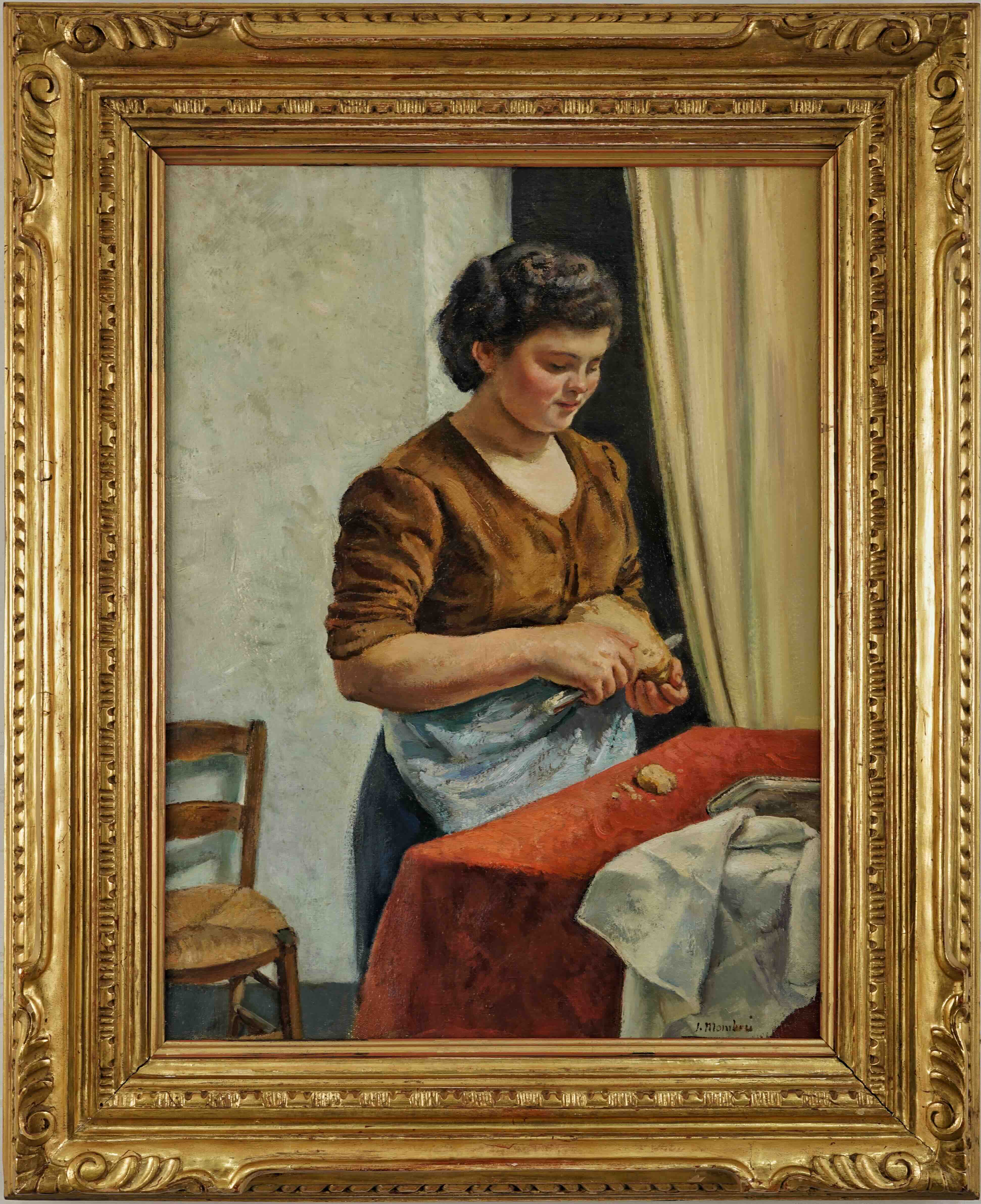
This work represents Mombrú’s modern interpretation of the traditional Spanish bodegón, a relatively uncommon subject within his wider oeuvre. The term bodegón, derived from bodega (a pantry or storeroom) came to describe paintings centred on modest interiors, food, and everyday domestic activity, a tradition developed most famously in seventeenth-century Spain by artists such as Velázquez. Here, a woman is shown cutting bread, absorbed in a simple household task. The vertical format is organised through strong areas of colour: a golden curtain occupies one side of the composition, contrasting with the bare wall, while the vivid red tablecloth gives weight to the lower half of the scene. These broad passages of colour provide structure without distracting from the quiet activity of the figure. The chair at the lower left introduces a particularly effective spatial detail. Turned slightly towards the viewer and partially cut by the edge of the canvas, it opens the composition outward and suggests a place that might soon be occupied. Similar devices appear frequently in Dutch genre painting, where chairs and other pieces of furniture were used to connect the viewer with an otherwise private interior. A useful comparison can be made with Johannes Vermeer’s A Young Woman Standing at a Virginal (Fig. 1), where furniture likewise helps organise the space between the figure and the viewer. Mombrú’s handling, however, is considerably more direct than that of his seventeenth-century predecessors. Warm earth colours and visible brushwork give the scene a stronger sense of immediacy, while thicker passages of paint remain apparent on the chair, the woman’s arms, and the scattered crumbs of bread. Through this freer treatment of surface and colour, Mombrú brings a modern sensibility to the traditional bodegón, preserving its attention to ordinary domestic life while allowing the physical character of the paint to play a more prominent role.
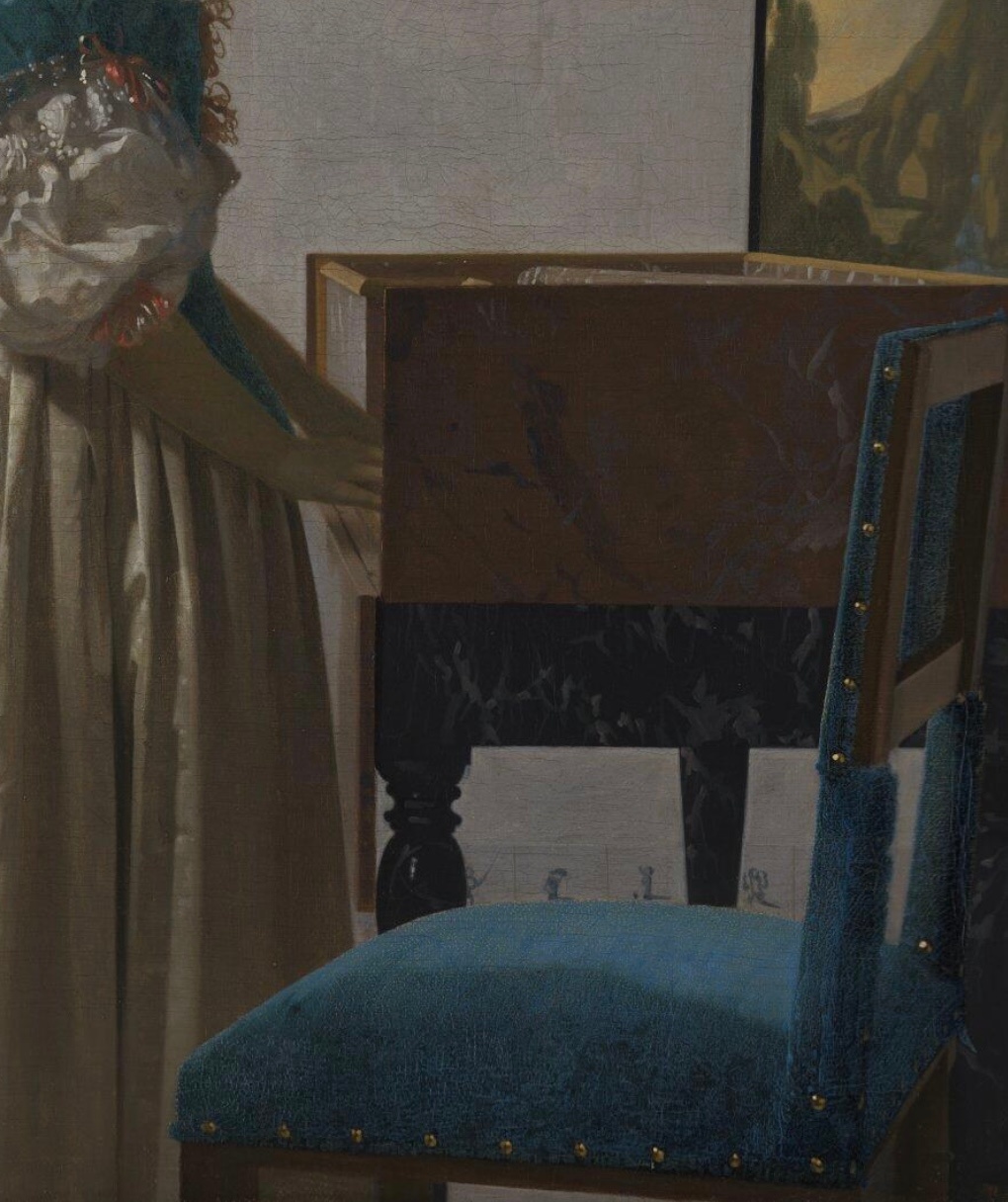
(Fig. 1) The chair detail : Johannes Vermeer, A Young Woman Standing at a Virginal, c. 1672, oil on canvas, © The National Gallery, London (NG1383)
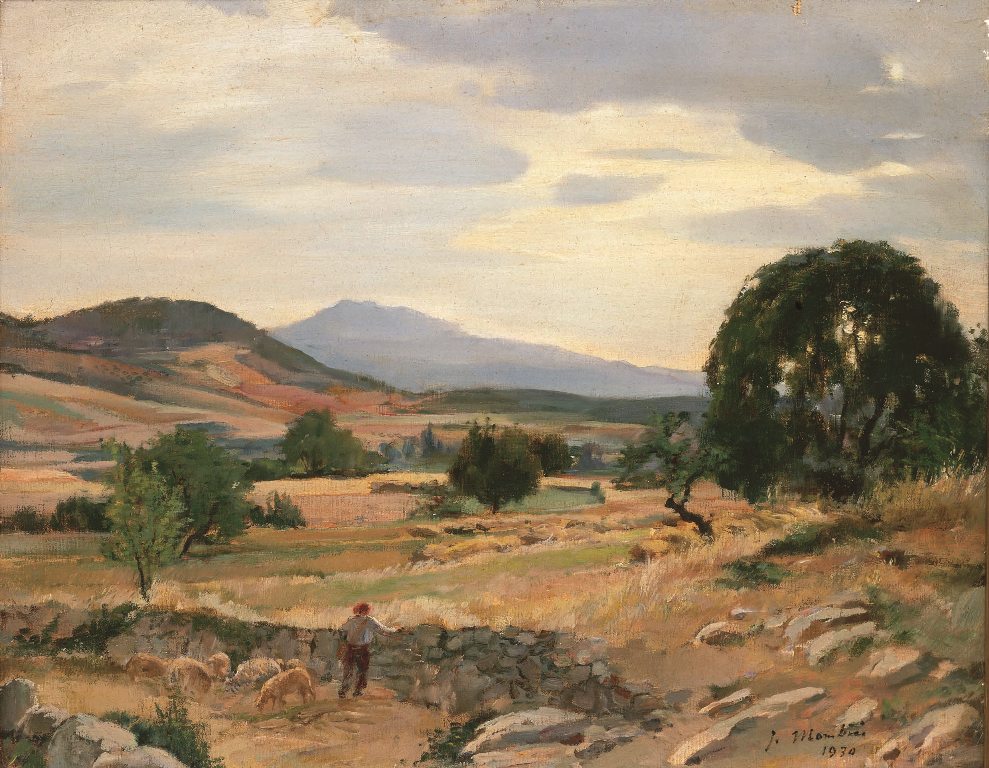
Francesc Mombrú i Ferrer (1892–1963), also known as Joaquín Mombrú Ferrer, was a distinguished Catalan painter celebrated for his intimate genre scenes and penetrating portraits. His artistic practice emerged from a robust realist tradition, characterised by meticulous attention to everyday gestures, humble subjects, and carefully orchestrated compositions. Mombrú developed a distinctive aesthetic that was simultaneously sober and warm, deeply rooted in the rhythms and textures of domestic existence. Following his inaugural solo exhibition at Sala Parés in Barcelona in 1929, his work entered numerous prestigious collections, including the Museu de L'Empordà, where his landscape Hora foscant became part of the permanent collection, as well as the National Art Museum of Catalonia (MNAC) and the Victor Balaguer Museum, which house multiple examples of his paintings (Fig. 2).



 CN
CN